How an Expired SSL Certificate Can Cost Your Business Leads — and Real Revenue
How an Expired SSL Certificate Can Cost Your Business Leads — and Real Revenue
By Michael Ansley, EBX Web Design Services
In the fast-paced world of service businesses in New York, from plumbers and electricians to gyms and family practice offices, every lead counts. So, imagine this: a potential customer visits your website, looking to book your services, but they immediately see a warning that says "Not Secure".
What happens next? They leave — and you lose out on the business.
This is a real risk for service-based businesses in the 5 boroughs. An expired SSL certificate is one of the most common (and costly) website issues, and many small business owners don't even realize it’s happening.
Let’s break down why this is such a big deal for local businesses and how an expired SSL certificate can quietly drain your leads and revenue.
What Is an SSL Certificate (In Plain English)?
An SSL certificate encrypts the connection between your website and your visitors. This is critical, especially when customers are trusting you with sensitive information like contact details or payment info.
When an SSL certificate is active, your website shows:
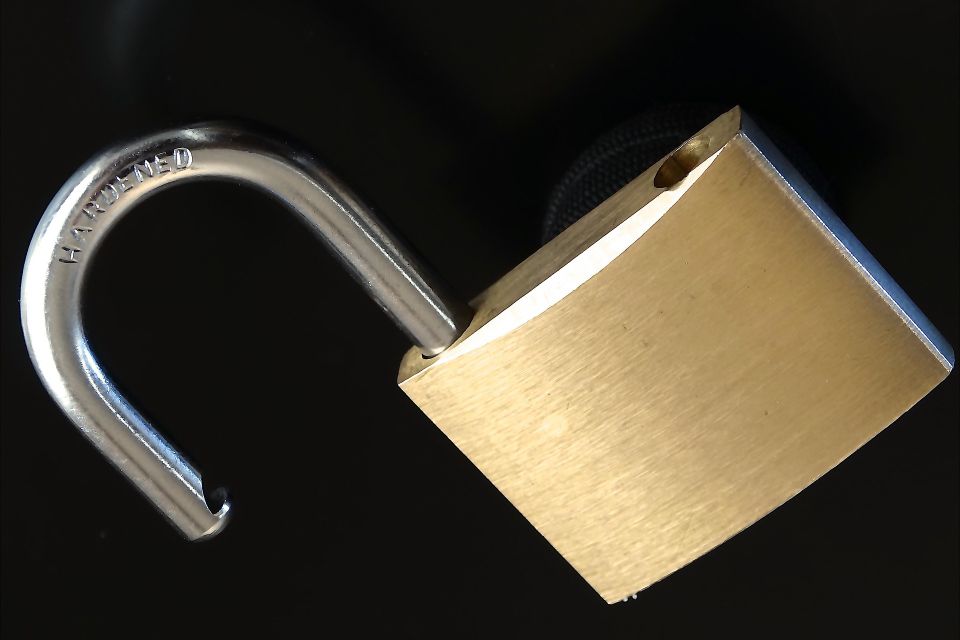
- A padlock icon next to your URL
- The web address starts with https://
- "Not Secure" warnings on the browser
- Security alerts about your site being unsafe
How SSL Issues Hurt Your Leads — Especially for Service Businesses
Visitors Leave Immediately
In busy cities like Manhattan, Brooklyn, or Queens, potential customers don’t have time to second-guess. They’ll see “Not Secure” and leave right away. Whether it’s someone looking for a contractor for a home renovation or a daycare center to trust with their children, visitors don’t wait around.
Most people won’t risk booking your services or filling out a form. They’ll just hit back and go to your competitor’s website — a competitor that doesn’t have those security warnings.
That’s traffic you’ve paid for, whether from ads, Google, or word of mouth, gone in an instant.
Fewer Calls and Form Submissions
If your website includes contact forms, quote requests, or appointment scheduling, an expired SSL certificate can block form submissions entirely or trigger security warnings before visitors even get to submit their details.
For example, a family practice office or gym looking to book new clients will see a significant decrease in appointments or calls if the website looks unsafe.
That means fewer leads, fewer calls, and fewer jobs — even though you may provide top-tier service.
Google Trust Takes a Hit
Google wants to send users to safe, reliable websites. When your website doesn’t have a working SSL certificate, Google may reduce your site’s visibility in search results, especially for local SEO.
If you're a plumber in Brooklyn or an electrician in The Bronx, this can severely impact your ability to rank for key terms like “best plumber near me” or “electrician in [neighborhood].”
Google sees “Not Secure” as a red flag, and it can lower your click-through rates, hurting your SEO and leaving more room for your competitors.
Mobile Traffic Suffers the Most
If you’re a notary in Staten Island, or a general contractor serving Manhattan, chances are you get a large portion of your traffic from mobile users. Mobile browsers display security warnings much more prominently and give users fewer workarounds. If a potential customer is on their phone, they’re even less likely to proceed with booking your services if they see an SSL warning.
What This Means for Your Income
Here’s the hard truth: if an expired SSL certificate drives customers away, it directly impacts your bottom line.
- Fewer visitors stay on your site
- Fewer people trust you enough to call
- Fewer leads turn into paying customers
- Missed repeat customers
- Lost referrals
- Lower long-term business growth
Why This Happens So Often
SSL certificates:- Expire annually
- Often get set up once and forgotten
- Don’t always renew automatically
- Can break after hosting changes or website updates
It’s a technical issue that can go unnoticed, but it has real business consequences.
The Good News: It’s Fixable
The best part? Fixing an SSL issue is quick, affordable, and non-disruptive to your business operations.Once you renew or reconfigure your SSL certificate:
- The “Not Secure” warning disappears
- Your website becomes trusted again
- Leads stop leaking away
Final Thought: Your Website Needs to Be Trusted
Whether you’re a gyms in the Bronx or a plumber in Queens, your website doesn’t have to be flashy — but it absolutely needs to be trusted.
An expired SSL certificate silently sends the message: “This business may not be safe.”
You don’t want that message on your site. It could be driving away customers and costing you leads and revenue.
If you’re unsure whether your website is secure, now’s the time to check. Every lost lead is lost income.
If you’d like a free review of your website’s security and lead performance, I’d be happy to take a look.